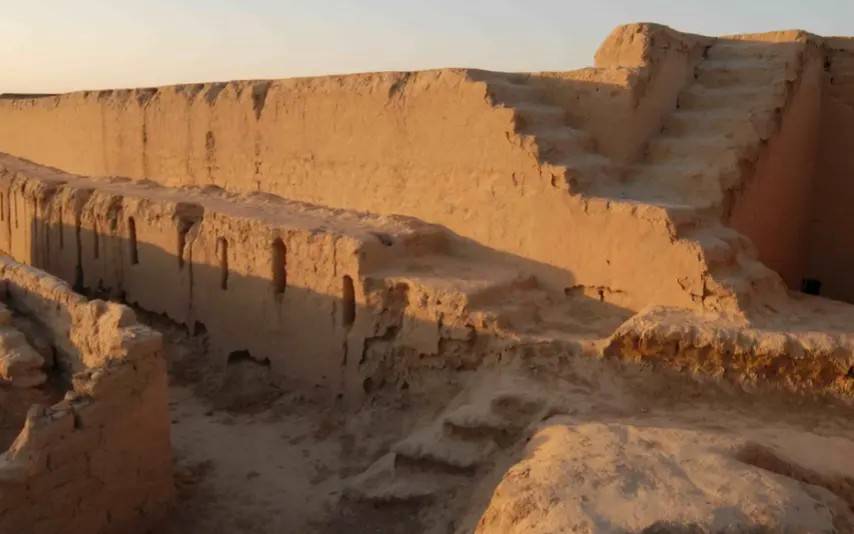
Three silk cocoon fragments discovered at the Sopollitepa ancient farming settlement in the Surkhandarya province indicate that sericulture was practiced in the area nearly 4,000 years ago, Dunyo reported.
Experts from the Institute of Anthropology of the Academy of Sciences, in collaboration with an international research team, analyzed the ancient cocoon remnants unearthed at the site. Micromorphological and proteomic analyses confirmed that the fragments belong to the domesticated mulberry silkworm (Bombyx mori).
Radiocarbon dating places the finds between 1940 and 1765 BCE. Archaeologists also discovered remnants of mulberry trees—the primary food source for silkworms—within the same cultural layer. The simultaneous presence of both cocoon and mulberry tree remains strongly suggests that the Bronze Age population of the province possessed the technology for silk production.
Researchers noted that while this discovery does not alter the historical timeline of the Silk Road’s official formation in the 2nd century BCE, it demonstrates that silk cultivation and related knowledge exchange began nearly two millennia before the establishment of the famous transcontinental trade network.
This development follows earlier archaeological excavations at the ancient settlement of Kuva in the Fergana province, where defensive wall remnants dating from the 3rd century BCE to the 10th century CE were uncovered.
Experts emphasize that these latest findings provide critical material evidence for studying early cultural exchanges between the East and the West along the historic Silk Road.
Stay up to date with all the latest news: