Uzbekistan’s official reserve assets fell by $307.2 million over the course of May, dropping from $70.89 billion to $70.58 billion as of June 1, according to data released by the Central Bank. This decline reverses the growth momentum observed in April.
The foreign currency component of the reserves shrank from $8.72 billion to $8.57 billion.
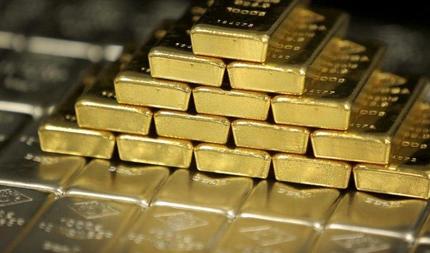
Meanwhile, the total value of gold held within the reserves decreased by $156 million, settling at $61.4 billion. Paradoxically, the physical volume of gold actually increased by 280,000 troy ounces (approximately 8.7 tonnes), reaching an all-time high of 13.6 million troy ounces (roughly 423 tonnes) since record-keeping began.
According to the Central Bank's estimates, a 2.6% dip in global gold prices—which slid from $4,625.80 to $4,516.85 per troy ounce—effectively shaved $1.5 billion off the paper value of the reserves. For context, regular market revaluations fluctuate significantly: gold price gains boosted the reserves by $2.9 billion in December, $8.6 billion in January, and $1.4 billion in February. Conversely, a price drop slashed the reserves by $8.3 billion in March, followed by a $1 billion recovery in April as market valuations rebounded.
The downward trend has intensified into the current week. As of June 8, global gold prices have dropped further toward the $4,300 per ounce threshold, with Reuters reporting spot gold prices slipping to $4,287.66.
Pressure on the gold market intensified following a strong U.S. jobs report, while the resurgence of hostilities in the Middle East pushed oil prices upward and heightened inflationary anxieties. Consequently, investors are pricing in the likelihood of another interest rate hike by the Federal Reserve. This environment is unfavorable for gold, which yields no interest, as elevated rates boost the appeal of bonds and dollar-denominated assets.
Meanwhile, the volume of international securities in the regulator's portfolio surged dramatically in May, rising from $1.5 billion to nearly $2.85 billion. This increase expanded their share within the overall reserve structure from 2.2% to 4%.
The Central Bank previously noted that a high concentration of gold in its reserve structure reflects a conservative strategy toward asset management. However, the regulator has begun to gradually diversify its portfolio to mitigate risks associated with the high price volatility of precious metals.
International reserves remain a cornerstone of macro-economic stability. They provide the necessary buffer to smooth out fluctuations in the national currency's exchange rate, service external debt obligations, finance essential imports during crises, and insulate the economy from external shocks—ranging from commodity price slumps to broader financial market turbulence.
Stay up to date with all the latest news: