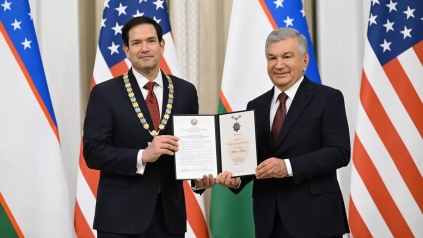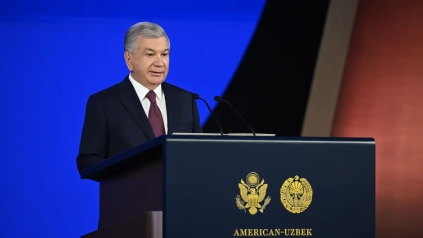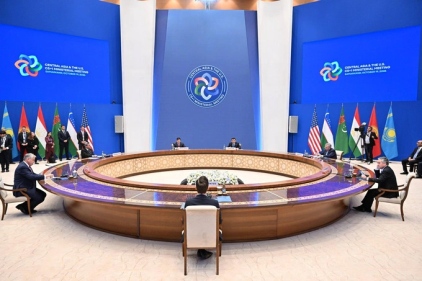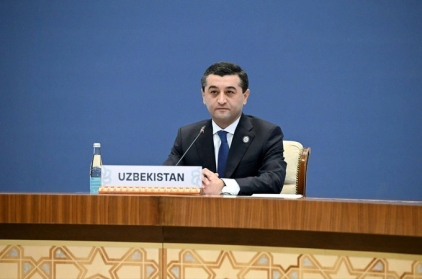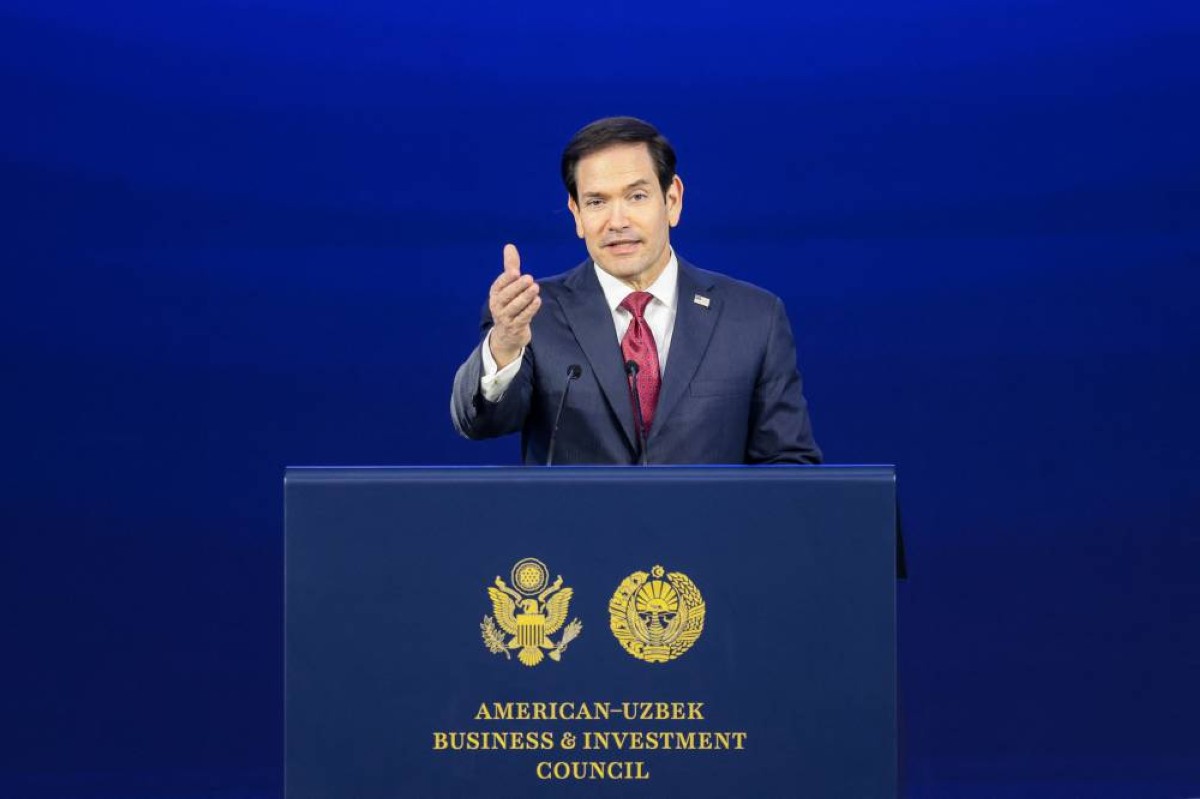
U.S. Secretary of State Marco Rubio said Washington has neglected Central Asia for too long and wants to become a lasting partner of the region, as he addressed the second meeting of the American-Uzbekistan Business and Investment Council on Monday evening.
Speaking at the meeting where, Rubio said U.S. foreign policy has long been captive to crises and problems, and that Washington must be able to deal with urgent issues without missing opportunities. He said Central Asia, and Uzbekistan in particular, is a region the United States should have engaged sooner and more deeply.
Rubio said the shift began a decade ago and has accelerated under President Donald Trump, who hosted a summit at the White House last year, appointed Sergio Gor as special envoy and invited several countries from the region, including Uzbekistan, to attend the G20 in the United States as observers. He said he hoped his visit also showed how much priority Washington places on the relationship.
He credited President Shavkat Mirziyoyev’s reforms for making the progress possible, saying the president had opened the country to the world and embraced the United States and Trump as partners. As sovereign and independent nations, Rubio said, the two sides should focus on areas where their national interests align, so that what benefits one also benefits the other.
Rubio pointed to Uzbekistan’s geography and growth as drivers of that opportunity. He said the country’s airports handled 15.5 million passengers last year, up 15 percent, while cargo volumes rose 12 percent to 98,200 metric tons. He added that investors are drawn by its central location, large working-age population, abundant resources and potential in technology and infrastructure.
He cited cooperation already under way, including work with the Colorado School of Mines on critical minerals, Boeing’s sale of 22 widebody 787 Dreamliners to Uzbekistan Airways, and a quantum science partnership between the University of Texas at Dallas and the Samarkand Quantum Center. He said AKFA Group is investing $80 million in Bowling Green, Kentucky, which he described as the first Uzbek manufacturing operation in the United States.
Rubio said he believed people would look back on the meeting as a turning point in relations.