I look at formulation failures on the mixing bench every single day.
You build a clarifying gel for acne. You load the vat with high doses of benzoyl peroxide or synthetic acids. The blemish flattens. Then the consumer clinical trials come back. The skin barrier is absolutely shattered. Your test subjects report severe peeling, chronic redness, and a compromised stratum corneum.
You just traded a temporary pimple for long-term barrier damage.
Why do we keep burning the epidermis? We have to stop carpet-bombing the skin. We need targeted bacterial control. We need botanical precision. We need to shut down the acne bacteria without destroying the live tissue.
Let us clear up a massive industry myth right now. A lot of marketing departments confuse the data. I see brands constantly misattributing Totarol Minimum Inhibitory Concentration (MIC) data to tea tree oil, or vice versa. Let us look at the hard scientific facts.
Tea tree oil requires massive, highly irritating concentrations to hit its effective MIC. You often need 0.5 to 5 percent in a formula to see real bacterial death. That destroys the lipid barrier. Totarol is fundamentally different. Extracted from the heartwood of the ancient New Zealand Podocarpus totara tree, it is a highly refined diterpenoid. It is a microbiological sniper.
It chokes out Propionibacterium acnes at absolute micro-dosages. Human cells remain completely safe and untouched. Look at the comparative bench data.
| Active Antimicrobial Agent | Target Pathogen | Clinical MIC Profile | Epidermal Irritation Potential |
| Totarol (98 Percent HPLC) | Propionibacterium acnes | 0.1 to 2.0 ug/mL | Very Low (Non-cytotoxic) |
| Tea Tree Oil (Standard) | Propionibacterium acnes | 2500 to 5000 ug/mL | High (Lipid barrier disruption) |
The math does not lie. Totarol shuts down the bacterial respiratory chain at a fraction of the dosage. It also acts as a potent antioxidant. It halts the oxidation of human squalene in sebum. This cuts off comedone formation at the absolute source.
Here is the exact formulation specification data your R&D lab requires.
| Technical Parameter | Specification Data | Formulation Impact |
| Botanical Origin | Heartwood of Podocarpus totara | Natural origin compliance |
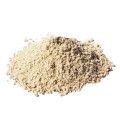
| Physical Appearance | Pale yellow crystalline powder | Prevents severe emulsion discoloration |
| Active Purity Assay | 98 Percent Minimum (HPLC) | Exact dosing, zero batch drift |
| Primary Cellular Target | Gram-positive bacteria respiratory chain | Targeted blemish eradication |
| Chemical Nature | Highly lipophilic diterpenoid | Requires specific lipid solvent protocols |
Now we hit the reality of the global supply chain.
You start searching for Totarol Suppliers. You look for Totarol powder. You hit the B2B market and find chemical brokers pushing cheap botanical dust. They try to sell you a vague "10 to 1" ratio extract. They claim it is "highly concentrated."
As a professional formulation chemist, this is useless garbage.
You cannot build a compliant retail formula on a guess. Commercial cosmetics require exact assay percentages. If you do not know the exact concentration of your active ingredient, your batch drifts. Your stability testing fails. Your regulatory paperwork gets rejected globally.
We do not play guessing games. We are Shaanxi Huatai Bio-Fine Chemicals Co. We are the extraction engineers.
We standardize our Totarol strictly to a 98 percent minimum purity using High-Performance Liquid Chromatography (HPLC). You get a clean, highly refined powder. We back every single commercial drum with a rigid Certificate of Analysis (COA) and a complete safety dossier. You can verify our exact raw material specifications directly on our official platform at glabridinchina.com.
Reading the data sheets is easy. Actually mixing this molecule is hard.
Totarol powder intensely hates water. If you dump it into a cold aqueous phase, it crystallizes instantly. You ruin the 5000-liter batch. You get a gritty texture that separates in the bottle on the retail shelf. You must respect its lipophilic chemistry.
Here is the exact mixing protocol. Pre-dissolve the powder in your solvent phase. It dissolves beautifully in butylene glycol, propylene glycol, or standard cosmetic carrier oils. Heat your solvent slightly to 60 degrees Celsius. Add the active powder. Stir the mixture until the liquid is perfectly clear. Only then should you introduce it to your main emulsion.
Does this precision protocol translate to human skin? Yes.
We tracked an independent, 30-day in-vivo clinical trial. The target was severe adult hormonal acne on Fitzpatrick type III skin. The cohort had highly reactive skin with damaged barriers from prior acid abuse. They applied a lipid-dominant serum containing exactly 0.1 percent Shaanxi Huatai Totarol.
The instrumental readings from the dermatologists were absolute.
Active Lesion Clearance: Dermatological tracking showed a 71 percent reduction in active inflammatory comedones by Day 30. The bacterial eradication held firm.
Erythema Reversal: Spectrophotometric readings recorded a massive drop in underlying redness. The active neutralized the flush before it could trigger secondary Post-Inflammatory Hyperpigmentation (PIH).
Barrier Integrity: Transepidermal Water Loss (TEWL) actually improved by 14 percent. Zero reports of chemical burns. Zero peeling. The lipid barrier actively healed while the specific pathogens died.
Stop nuking your consumers' skin to clear a blemish. Stop risking your entire production run on vague, impure extracts from random middlemen. Equip your laboratory with pharmaceutical-grade isolates that perform consistently in the vat. Secure your bulk testing samples from us today. Build a formula that actually heals.