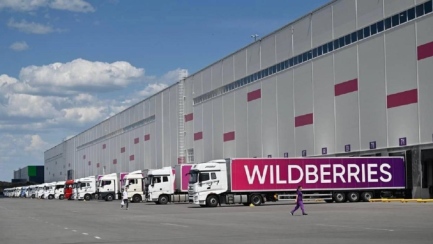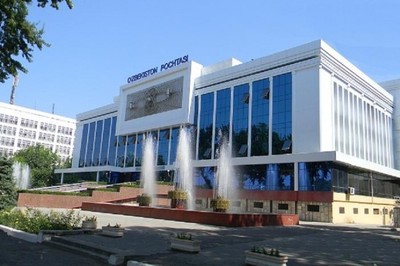
Five of the nine seats on the supervisory board of Uzbekistan's national postal operator, O'zbekiston pochtasi (UzPost), have gone to people linked to the Russian e-commerce group Wildberries & Russ (RWB), even as the state asset manager says the company has not been privatized.
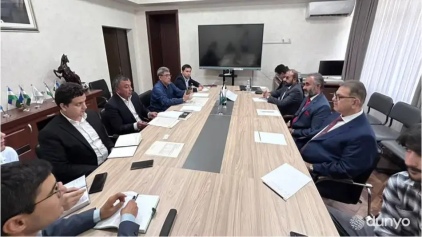
Shareholders elected the board for a three-year term at an extraordinary meeting on September 21, with a quorum of 93.69%. The previous board's powers were ended early, with all voting shareholders in favor.
The five include Akmal Primkulov, general director of WB INT EXPORT, the company through which Wildberries operates in Uzbekistan, three RWB executives and a WB Bank director. The other seats went to First Deputy Digital Technologies Minister Oleg Pekos, officials from the Accounts Chamber and the Ministry of Economy and Finance, and independent member Roger Crook.
The State Assets Management Agency (SAMA) said that reports of privatization are untrue. It said the 92.9% stake previously held by state organizations, enterprises and commercial banks has been consolidated under its control and "no documents on the privatization of the state stake have been executed." It acknowledged that Wildberries and Uzum Market have expressed interest in the stake.
SAMA said Wildberries representatives joined the board to implement a modern corporate governance system and monitor the use of investment funds the company expects to raise. Wildberries said its aim is to modernize the postal operator and improve the speed and quality of its services.
At the same meeting, all voting shareholders abstained on a proposed 100 billion soum loan from WB INT EXPORT at the Central Bank's refinancing rate, so the proposal was not adopted. SAMA said the rate, amount and repayment schedule have not been finalized, and the issue may return for a vote.
SAMA described UzPost as being in a difficult financial position. First-half revenue fell 17% to 313.6 billion soums, and bank debt stands at 45.3 billion soums. Mail delivery of traffic violation notices, once a major revenue source, has been suspended since May 16, and SAMA forecasts a nine-month loss of 1.7 billion soums. The agency estimates modernization will require more than 300 billion soums.
Reports of a possible privatization first emerged in autumn 2025. In October of that year, the Anti-Corruption Agency called on SAMA to ensure any sale of the state stake was open and transparent.