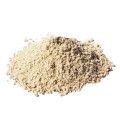
Cedar Berries for Pancreas Support is a phrase many people search when they want a simple answer about this traditional plant ingredient. The first thing to know is this: so-called cedar berries are usually not true berries, and they are often not from a true cedar tree either. In many herbal and culinary contexts, the term points to the berry-like seed cones of juniper species. That botanical detail matters because readers often mix up cedar, juniper, and red cedar, then assume they all mean the same thing. They do not. This guide explains what cedar berries are, why the name causes confusion, how they relate to pancreas support claims, and what a careful reader should keep in mind before using them.
What are cedar berries exactly?

In most cases, cedar berries are the fleshy, berry-like cones produced by certain juniper species. They are commonly blue to blue-black when mature, aromatic, and rich in volatile plant compounds. Botanically, they are not true berries in the same way blueberries or grapes are. They are modified seed cones.
The plain-English answer
If you see “cedar berries” in herbal conversations, it often refers to juniper berries or to the fruit-like cones of a plant commonly called red cedar. A common example is eastern redcedar, which belongs to the juniper group. That means the popular name can be misleading.
Why the name causes confusion
Common plant names are messy. “Red cedar” may sound like a cedar from the Cedrus group, but many plants called cedar in everyday speech are not true cedars. Some are junipers. Some are arborvitae. That is why the Latin name matters more than the common name when you read a label, article, or product description.
| Common name | What people often mean | Botanical reality | Why it matters |
| Cedar berries | Berry-like fruits from a “cedar” tree | Usually juniper seed cones | Helps avoid buying the wrong ingredient |
| Red cedar berries | Fruit from red cedar | Often from eastern redcedar, a juniper | Common names can hide the true species |
| Juniper berries | Culinary or herbal berry | Seed cones of Juniperus species | Most accurate everyday term in many cases |
Are cedar berries the same as juniper berries?
Often yes in everyday use, but not always with full precision. Many references that say cedar berries are really talking about juniper berries, especially when the plant is eastern redcedar or common juniper.
The practical difference
For a beginner, the safest assumption is this: if a product says cedar berries, check the species name. If the label lists a Juniperus species, you are dealing with a juniper-type ingredient. If there is no Latin name, the description is incomplete.
What to look for on a label
Look for the plant part and species. Good labels identify the botanical name, the form used, and the amount per serving. Examples include whole berry, dried fruit, extract, tincture, or essential oil source material. Without that information, comparison becomes guesswork.
Why do people connect cedar berries with pancreas support?
People usually connect cedar berries with pancreas support because juniper berries have a long history in traditional herbal systems and are sometimes discussed in relation to glucose balance, digestion, and metabolic wellness. That does not mean they are proven to support pancreatic function in humans in a clear clinical sense. It means the association exists in traditional use and in early-stage research.
The tradition behind the claim
In traditional herbal practice, aromatic berries from juniper-type plants were used in formulas aimed at digestion, urinary wellness, and general metabolic support. Over time, “blood sugar support” language became linked with “pancreas support” in supplement marketing. That leap sounds natural, but it can oversimplify a complex organ and a complex area of health.
What the evidence actually suggests
The evidence is mixed and limited. Some preclinical research on juniper berries and juniper extracts has explored antioxidant activity and effects related to glucose metabolism. That is interesting, but it is not the same as strong human evidence showing that cedar berries directly support pancreatic health. A careful article should keep that line clear.
Can cedar berries directly support the pancreas?
No strong human evidence shows that cedar berries directly support the pancreas in a well-established clinical way. At best, the idea is indirect and still early.
What is reasonable to say
It is reasonable to say that juniper-type berries contain plant compounds that researchers study for antioxidant and metabolic effects. It is also reasonable to say that some traditional systems connect these berries with broader wellness goals tied to digestion and blood sugar balance.
What is not reasonable to say
It is not careful to say cedar berries treat pancreatic conditions, repair pancreatic tissue, or work as a replacement for medical care. Those claims go beyond the evidence and cross into risky territory.
| Claim style | Careful wording | Overstated wording to avoid |
| General wellness | May fit broader metabolic wellness routines | Fixes pancreas problems |
| Traditional use | Used in some herbal traditions | Proven remedy for pancreatic disease |
| Research summary | Early research is still limited | Clinically confirmed for pancreas support |
What compounds do cedar berries contain?
Juniper-type berries contain volatile oils and other phytochemicals that help explain their aroma and traditional use. Depending on species, growing conditions, and preparation, they may contain terpenes, flavonoids, and phenolic compounds.
Why these compounds matter
These compounds are often discussed because they may contribute to antioxidant activity and other biological effects in laboratory settings. But plant chemistry is not the same as a proven health outcome in people. A compound can be promising on paper and still fall short in real-world use.
Why whole berries and extracts are not the same
A dried berry used in food is different from a concentrated extract. An extract can deliver a more concentrated profile of certain compounds. That changes both the potential effect and the safety profile. It also makes one product hard to compare with another.
How are cedar berries used in food, herbal practice, and supplements?
Cedar berries, when they are really juniper berries, appear in culinary, aromatic, and herbal contexts. People may encounter them in seasoning blends, teas, tinctures, capsules, or extracts.
Food use
In cooking, juniper berries are used in small amounts for flavor. Their taste is resinous, sharp, and slightly pine-like. Culinary use is not the same as supplement use. The dose is lower, and the goal is flavor.
Herbal use
In herbal practice, the plant may appear alone or in blends. Some formulas position it around digestive comfort or broader metabolic support. This is where the phrase Cedar Berries for Pancreas Support often appears.
Supplement use
Supplements vary widely. Some contain powdered berry. Others use extracts. Some combine juniper with gymnema, dandelion root, cinnamon, bitter herbs, or berberine-containing botanicals. When a formula has multiple ingredients, you cannot assume the effect comes from cedar berries alone.
Who should be cautious with cedar berries?
Anyone thinking about concentrated use should be cautious, especially if they have diabetes, kidney concerns, are pregnant, or take prescription medications that affect blood sugar or fluid balance.
Why extra caution matters
Botanicals can interact with medications or add an unwanted effect. Even when traditional use exists, that does not guarantee a product is suitable for every person.
Checklist before trying a supplement
- Check the full botanical name on the label.
- Confirm whether it is whole berry, powder, tincture, or extract.
- Review the serving size and all other ingredients.
- Avoid assuming culinary use equals supplement safety.
- Be careful if you monitor blood sugar or use glucose-lowering medication.
- Use extra caution with kidney issues, pregnancy, or complex health conditions.
- Do not use supplement marketing as a substitute for diagnosis or treatment.
How should beginners evaluate a “pancreas support” product with cedar berries?
Start with the label, not the headline. Many product names are broader than the evidence behind them.
Questions worth asking
Does the product identify the species? Does it explain why the ingredient is included? Is the language balanced? Does it avoid dramatic promises? Is the formula transparent about dosage? Products that rely on vague plant names and dramatic claims deserve extra skepticism.
A simple evaluation framework
A beginner-friendly way to evaluate a product is to look at identity, form, context, and claim style. If even one of those is unclear, the product needs a harder look.
| What to review | Good sign | Red flag |
| Identity | Latin name is listed | Only says “cedar berries” |
| Form | Clearly states powder or extract | No form listed |
| Claims | Uses cautious support language | Makes disease-style promises |
| Formula context | Explains all active ingredients | Uses a hidden proprietary blend only |
What is the smartest takeaway on Cedar Berries for Pancreas Support?
The smartest takeaway is simple. Cedar berries usually mean juniper-type berries, not true cedar berries. The pancreas support angle comes mostly from traditional use, marketing language, and early research rather than strong human proof. So the first goal is correct identification. The second is realistic expectations.
What readers should remember
If you are exploring this topic for wellness education, focus on clear labeling, botanical accuracy, cautious claims, and the difference between traditional use and established evidence. That approach protects both accuracy and trust.
FAQ
Are cedar berries real berries?
No. In most cases they are berry-like seed cones from juniper species.
Are cedar berries and juniper berries the same thing?
Often yes in everyday use. Many “cedar berries” are from juniper-type plants, especially red cedar species that are botanically junipers.
Do cedar berries come from true cedar trees?
Usually no. The name often points to juniper rather than true cedar from the Cedrus group.
Is there strong proof that cedar berries support the pancreas?
No. The evidence is limited and indirect. Strong human clinical proof is lacking.
Why are they mentioned in pancreas support formulas?
Mostly because of traditional use and broader interest in metabolic wellness, not because of well-established direct pancreatic effects.
Can I judge a product by the name alone?
No. Check the Latin name, plant part, form, and full ingredient list.
Are culinary juniper berries the same as a supplement extract?
No. Food use and concentrated supplement use are different in both dose and context.
Who should be extra careful?
People who are pregnant, have kidney concerns, manage blood sugar, or take prescription medications should be more cautious with concentrated products.
Glossary
Juniper
An evergreen plant group that produces aromatic berry-like seed cones.
Eastern redcedar
A plant commonly called red cedar, but botanically classified as a juniper.
True cedar
A tree from the Cedrus group. This is different from many plants casually called cedar.
Seed cone
A cone that looks berry-like and contains seeds. This is what juniper “berries” really are.
Botanical name
The Latin species name used to identify a plant accurately.
Extract
A concentrated preparation made by pulling selected compounds from a plant.
Phytochemicals
Naturally occurring plant compounds such as terpenes and flavonoids.
Volatile oils
Aromatic plant compounds that give herbs and berries much of their smell and flavor.
Metabolic wellness
A broad term used for topics related to energy use, blood sugar handling, and general metabolic balance.
Structure-function language
Careful wording that describes support for normal body function without making disease claims.
Conclusion
Cedar Berries for Pancreas Support is best understood as a naming and evidence question. First identify the plant correctly, then judge the claim carefully.
Sources
FDA guidance on structure-function claims for dietary supplements, Structure/Function Claims — fda.gov/food/nutrition-food-labeling-and-critical-foods/structurefunction-claims
FDA overview of claim categories for foods and supplements, Label Claims for Food & Dietary Supplements — fda.gov/food/nutrition-food-labeling-and-critical-foods/label-claims-food-dietary-supplements
FDA food substance listing for juniper berries as a flavoring agent, Substances Added to Food: Juniper Berries — hfpappexternal.fda.gov/scripts/fdcc/index.cfm?id=JUNIPERBERRIESJUNIPERUSCOMMUNIS&set=FoodSubstances
University extension resource identifying eastern redcedar as eastern juniper, Eastern Redcedar — extension.umd.edu/resource/eastern-redcedar
NC State plant profile for Juniperus virginiana, Juniperus virginiana — plants.ces.ncsu.edu/plants/juniperus-virginiana
Review article on Juniperus communis and its phytochemistry and traditional uses, Potential of Juniperus communis L as a nutraceutical — pmc.ncbi.nlm.nih.gov/articles/PMC6726717
PubMed abstract on hypoglycemic activity of juniper berries in animal models, Hypoglycemic activity of juniper “berries” — pubmed.ncbi.nlm.nih.gov/8073081
Review on juniper as a source of bioactive compounds, Zimbro (Juniperus communis L.) as a Promising Source of Bioactive Compounds — mdpi.com/1422-0067/23/6/3197
NIH Office of Dietary Supplements resource hub for botanical supplement fact sheets, Botanical Supplement Fact Sheets — ods.od.nih.gov/factsheets/list-Botanicals