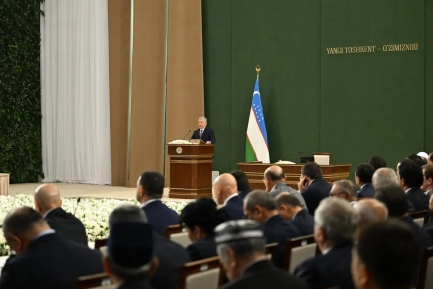
In Uzbekistan, individuals convicted of taking bribes, giving bribes, or acting as intermediaries in bribery will no longer be eligible for parole. The relevant bill was approved by the Senate today.
The legislation introduces a new legal term, "corruption-related offenses," into the Criminal Code and establishes a definitive list of these crimes, eliminating any past terminological ambiguity.
Furthermore, the bill explicitly prohibits the application of early conditional release (parole) for anyone sentenced for receiving bribes, giving bribes, or facilitating bribery.
The new bill also reclassifies fraud committed through the abuse of official position. This offense has been moved from the third part to the fourth part of Article 168 of the Criminal Code. As a result, the maximum penalty for this crime has been increased from 8 years to up to 10 years of imprisonment.
Penalties are also being toughened for bribing employees of non-governmental (private) organizations.
Under several articles of the Criminal Code, committing an offense out of “malicious motives" is being introduced as a new aggravating factor during sentencing.
To prevent overlapping functions within the state administration system, amendments have been made to the Chamber of Accounts of the Republic of Uzbekistan Law. Consequently, the Chamber of Accounts has been relieved of its duty to oversee the implementation of internal anti-corruption compliance control systems.
Meanwhile, the Administrative Responsibility Code has increased sanctions for violations concerning public procurement and the state budget system.
Senators emphasized that the enforcement of this bill will ensure the inevitability of punishment for corruption-related crimes.
The Senate ultimately voted to approve the bill.
Stay up to date with all the latest news: